.jpg)
Trauma Cleaning in Southport
Get in touchTrauma cleaning is a specialised service that cleans and restores environments affected by traumatic events, such as accidents, crime scenes, unattended deaths, and biohazardous situations.
At Biohazard Cleaning, we provide professional Trauma Cleaning Serrvices in Southport PR8 1.
This service ensures that impacted areas are thoroughly disinfected, restored, and safe for future use.
Trauma cleaning professionals are trained to handle potentially hazardous materials, manage emotional and physical sensitivities, and comply with strict health and safety standards.
What Does Our Trauma Cleaning Include?
Trauma cleaning includes the safe removal of biohazards, thorough disinfection, removal of odours, and restoration of areas affected by traumatic events.
Biohazard Removal and Disposal Southport
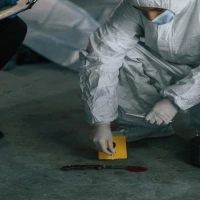
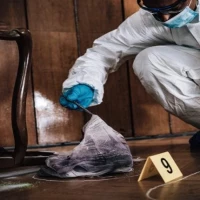
Trauma cleaning often requires the safe removal and disposal of biohazardous materials such as blood, bodily fluids, and other contaminants. These materials carry the risk of infection and disease, so certified professionals use personal protective equipment (PPE), specialised cleaning agents, and protocols for containment to prevent contamination.
Odour Removal and Air Purification Southport
In cases of prolonged contamination, strong odours can persist in the affected area. Trauma cleaning services use professional-grade deodorisation and air purification techniques to neutralise these odours and improve air quality. These methods can include ozone treatment, fogging, and activated charcoal filtration.
Deep Cleaning and Disinfection Southport
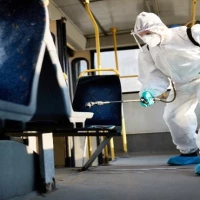
Every surface and item within the impacted area is meticulously cleaned and disinfected. Trauma cleaners use high-strength disinfectants and adhere to detailed cleaning protocols to eliminate all traces of contamination. Disinfection is essential for minimising health risks and restoring the environment to a sanitary state.
Specialised Restoration and Sanitisation Southport
Trauma events often cause physical damage to property that may require specialised cleaning or repairs. Trauma cleaning teams are equipped to manage both cleaning and restorative tasks, ensuring that furnishings, walls, flooring, and other elements are treated or replaced as needed.
Compassionate and Discreet Cleaning Service Southport
Trauma cleaning is often a sensitive service due to the nature of the events that necessitate it. Providers are trained to work with compassion and discretion, supporting the needs of those affected while maintaining confidentiality and professionalism throughout the process.
What Are The Benefits of Specialist Trauma Cleaning Services?
At Biohazard cleaning, our Trauma cleaning services offer multiple benefits such as safety, compliance and peace of mind:
Safety: Trauma cleaning ensures the safe removal of biohazards and other contaminants, reducing the risk of infection and restoring safe conditions in affected areas.
Compliance: Trauma cleaning companies comply with UK regulations on health and safety, including those set by the Health and Safety Executive (HSE), to handle and dispose of biohazardous materials.
Efficiency: Professionals use advanced equipment and specialised cleaning techniques to complete the process thoroughly and efficiently.
Peace of Mind: Trauma cleaning professionals handle sensitive situations with compassion and professionalism, helping to alleviate stress for those affected by traumatic events.
What are The Costs of Trauma Cleaning Services in Southport?
Trauma cleaning services start from £500 for minor cleanups but can range significantly higher for extensive situations that require comprehensive sanitisation, odour removal, and restoration.
The cost of trauma cleaning in the UK varies depending on the complexity and severity of the incident, the size of the affected area, and the specific requirements involved.
When to Call a Southport Trauma Cleaning Service
Trauma cleaning services should be called in immediately after any incident involving hazardous materials or biohazards that could pose a risk to health and safety. This includes incidents of:
Unattended deaths
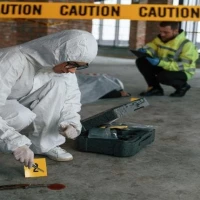
Crime scenes
Severe accidents
Suicide or attempted suicide scenes
Hoarding with biohazards
Professional Trauma Cleaning Providers Southport
In the UK, trauma cleaning providers must be certified and insured to handle biohazardous materials. At Biohazard Cleaning, we offer 24/7 emergency services to respond swiftly, as trauma cleaning delays can lead to further property damage or health risks.
Related Trauma Cleaning Services in Southport
Trauma cleaning is one of several specialist biohazard services Biohazard Cleaning provides across Southport. Depending on the nature of the incident and the condition of the property, additional services may be required alongside or instead of trauma cleaning.
Where a trauma incident has resulted in a fatality or where a body has remained undiscovered for a period of time, Biohazard Cleaning provides dedicated after death cleaning in Southport to address decomposition, biological contamination, and persistent odours that go beyond standard trauma cleanup. If the incident occurred as part of a criminal act and the property has been released by police, our crime scene cleaning service in Southport covers forensic residue, fingerprint dust, and biological evidence removal in addition to full decontamination.
Trauma incidents in hoarding properties often present additional hazards from waste accumulation, mould, and vermin that complicate the cleanup. Biohazard Cleaning provides specialist hoarder cleaning in Southport to address the wider property condition alongside the trauma contamination. Where bodily fluids or blood have spread into drains or lower levels of a property, our sewage cleaning service in Southport handles the extended biological contamination.
For landlords and property managers in Southport who need the property returned to a lettable or sellable condition following a trauma incident, Biohazard Cleaning also offers end of tenancy cleaning in Southport to complete the restoration once biohazard decontamination is finished.
We cover Southport (Merseyside)
Get in touch
Skip to
Gallery